Human resource development program
We implement a variety of human resource development programs with the aim of fostering civic pride.
- 2飢餓をゼロに
- 3すべての人に健康と福祉を
- 4質の高い教育をみんなに
- 8働きがいも経済成長も
- 9産業と技術革新の基盤を作ろう
- 11住み続けられるまちづくりを
- 12つくる責任つかう責任
- 13気候変動に具体的な対策を
- 14海の豊かさを守ろう
- 15陸の豊かさも守ろう
Usuki Slow Food Academy
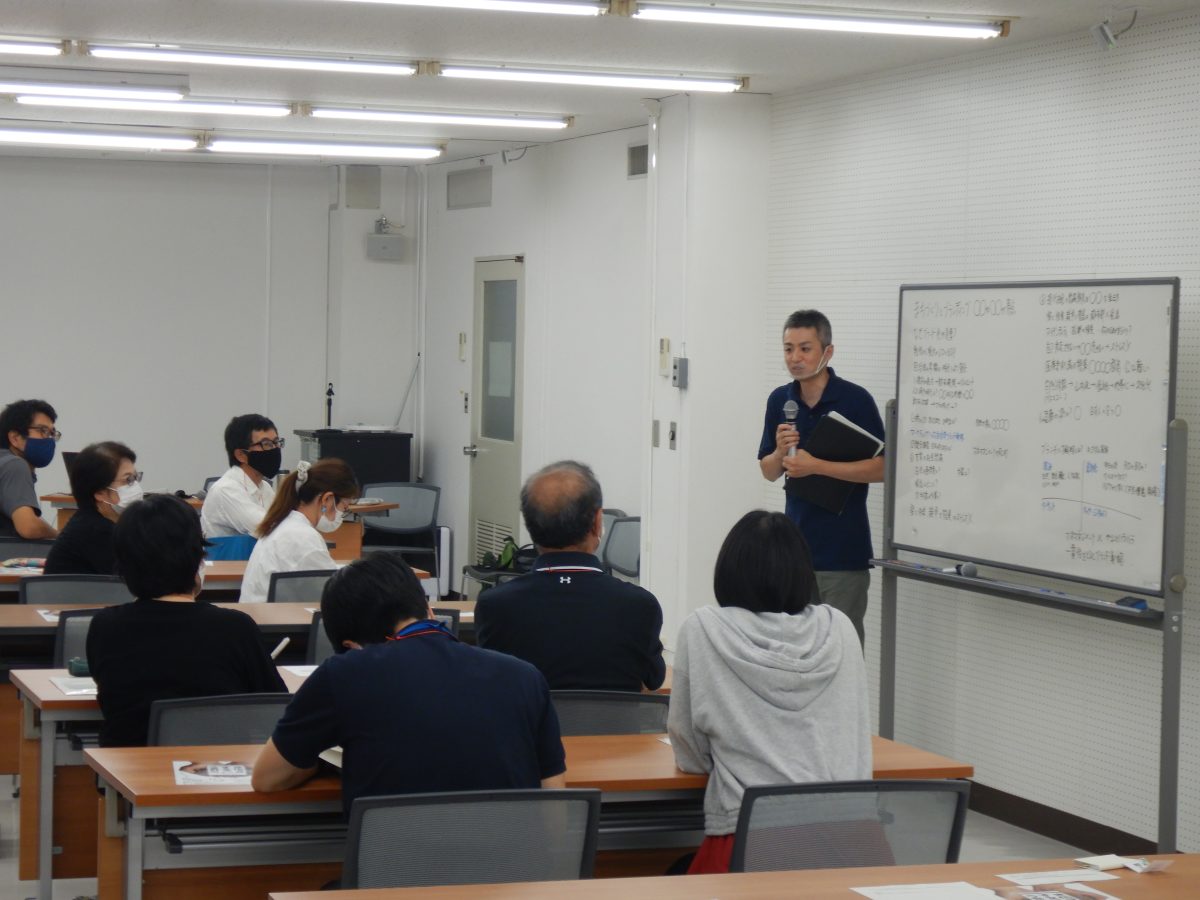
In FY2024, the third year of the program, participation was limited to staff from certified early childhood education and care centers in Usuki City. This allowed the course to offer learning designed to be put into practice more readily after completion than in previous years.
In each session, participants visited local businesses and producers in Usuki City as practitioners aligned with that session’s theme, where they listened to their stories and toured production sites. In addition, experts and business operators related to each theme were invited from outside the prefecture, creating opportunities to consider issues from both local and global perspectives.
In the final session, each center developed and presented a project plan. All proposals showed strong potential for proactive implementation, and positive outcomes are anticipated going forward.
Participants
14 (staff from certified early childhood education and care centers in the city)

Usuki Slow Food Academy
In addition to nursery teachers and dietitians from the city’s certified early childhood education and care centers, many parents raising children in Usuki City also took part.
Compared with the previous year, more “five-senses workshops” were included, and learning was primarily centered on hands-on experiences such as fieldwork.
During the fieldwork, participants visited food-culture-related facilities as well as local businesses and producers, creating opportunities to hear each party’s thoughts and approaches directly on site.
As part of five-senses workshops, participants also had opportunities to collaborate with one another on activities such as shopping and cooking, as well as a hands-on workshop on hand-painting “Usuki Senbei” (traditional rice crackers).
In the final session, participants presented their own “action starting tomorrow,” applying what they had learned, helping to establish an ongoing flow that maintains organic connections among participants.
Participants
24 (nursery teachers, dietitians, parents, etc.)
Usuki Shokuraku Ambassador Training Course
Participants included people from child welfare facilities, guides, and farm-stay organizations. In FY2023, the third year of the course, fieldwork was again incorporated to provide opportunities to learn through experience. Special guest instructors were also invited, and hearing from many speakers enabled participants to gain a variety of perspectives.
In addition, participants from the previous year were invited to share what changed before and after taking the course and how they apply what they learned in their everyday activities. Hearing directly from those who had actually taken the course provided an opportunity to think about how we, too, can communicate Usuki’s food culture.
Participants
29 (restaurant operators, guides, etc.)
Usuki Slow Food Academy
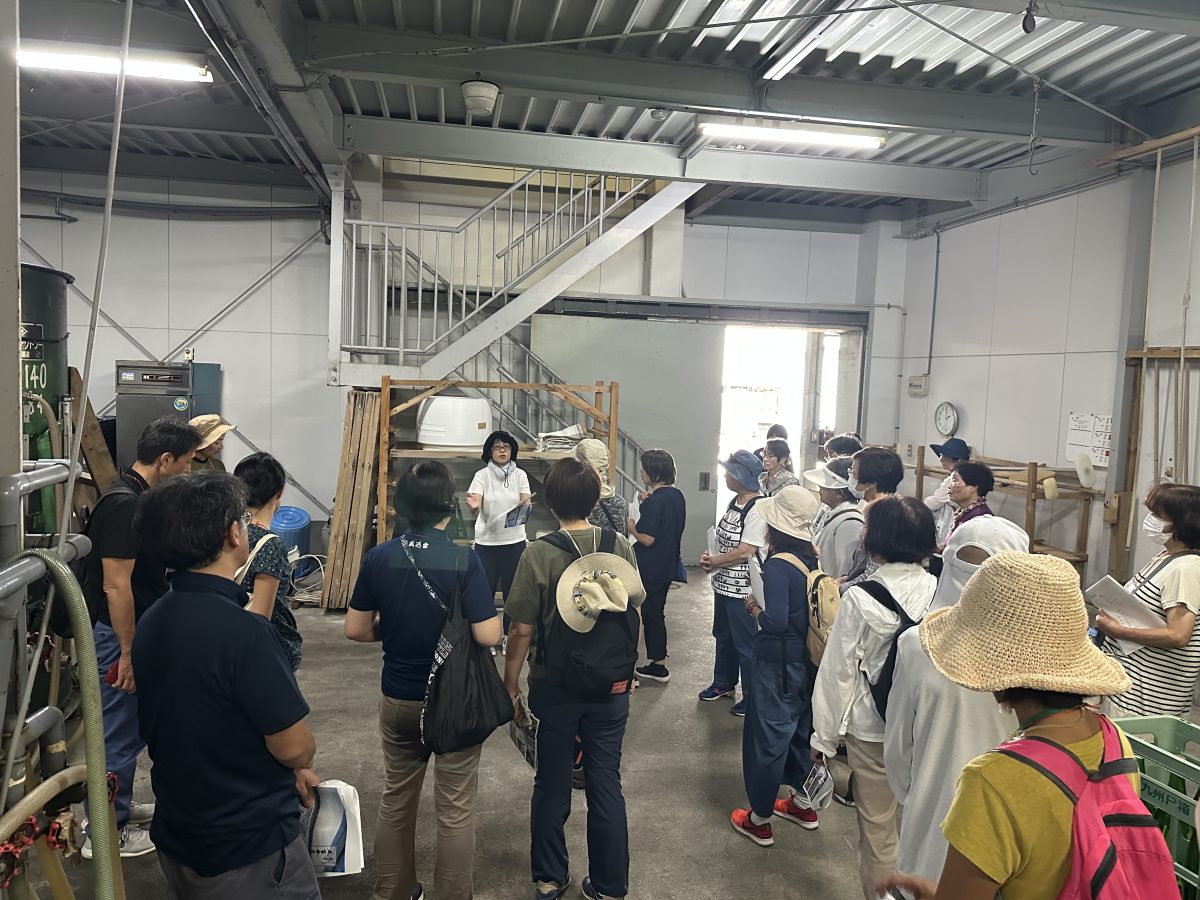
In addition to nursery teachers and dietitians from the city’s certified early childhood education and care centers and others involved with children, a wide range of people participated, including farmers and chefs.
Along with classroom learning, guests active in the city were invited as speakers in line with each session’s theme. Taste workshops and other activities were also conducted to create opportunities to learn through all five senses.
At the final presentation session, each participant presented a project they wished to pursue in their private or professional life, thereby encouraging and supporting participants’ future initiatives.
Participants
22 (nursery teachers, dietitians, parents, etc.)
Usuki Shokuraku Ambassador Training Course
Participants included restaurant operators, guides, and staff from early childhood education and care centers. In FY2022, the second year of the course, more time was allocated for fieldwork to provide opportunities to learn through experience. Special guest instructors were also invited, and hearing from many speakers enabled participants to gain a variety of perspectives.
In addition, participants from the previous year were invited to share what changed before and after taking the course and how they apply what they learned in their everyday activities. Hearing directly from those who had actually taken the course provided an opportunity to think about how we, too, can communicate Usuki’s food culture.
Participants
25 (restaurant operators, nursery teachers, etc.)
Usuki “Kataribe” (Storyteller) Training Course
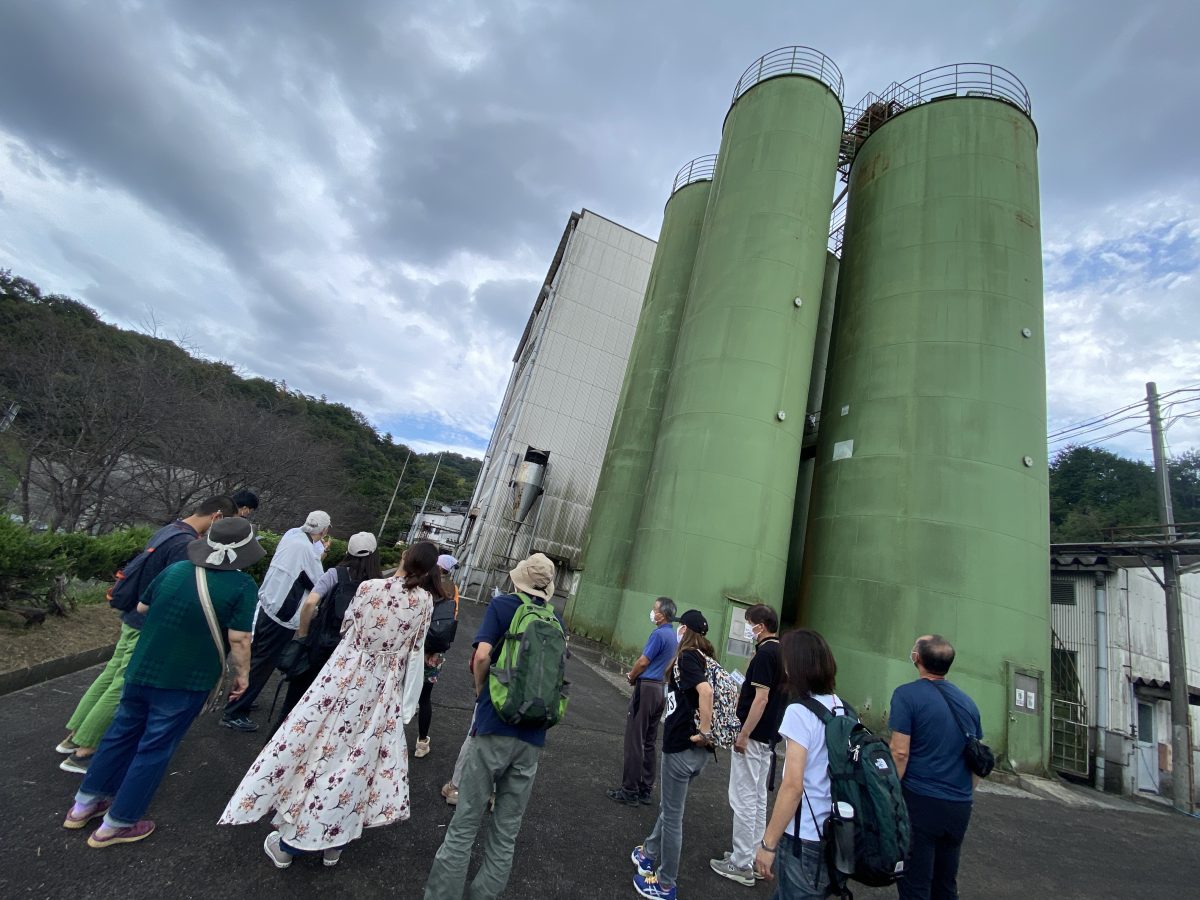
This course was implemented for local food-related business operators in the city, with the aim of developing human resources who can share and pass on Usuki’s food culture, history, and natural environment to residents and tourists, and provide comprehensive guidance centered on “food.”
In the final session, participants came up with a name for the course, and based on the belief that “it is important to enjoy food,” it was decided that from the following year the program would be offered as the Usuki Shokuraku Ambassador Training Course.
Participants
21