
2025 International Cities of Gastronomy Fest, Macao (Macao, China)
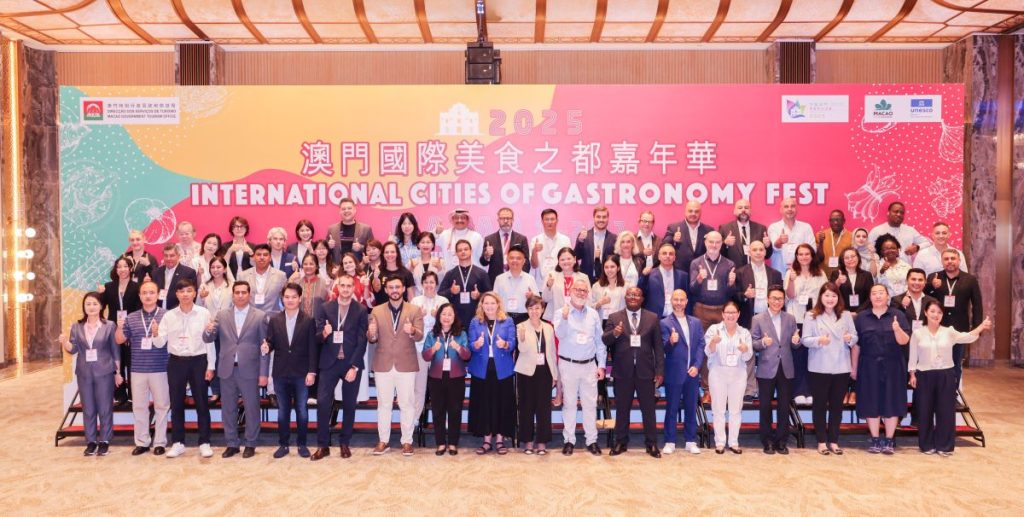
From July 11 to 19, 2025, staff from the Industrial Tourism Division, a local chef, and an interpreter from our city participated in the “2025 International Cities of Gastronomy Fest, Macao,” held in the Macao Special Administrative Region of China.
This event brought together 35 UNESCO Creative Cities of Gastronomy and other stakeholders, and was held with the aim of contributing to the sustainable development of each city through programs such as the “International Gastronomy Forum, Macao,” which convened stakeholders from across the Network, and the “City of Gastronomy Showcase,” where chefs from these cities give live cooking demonstrations.
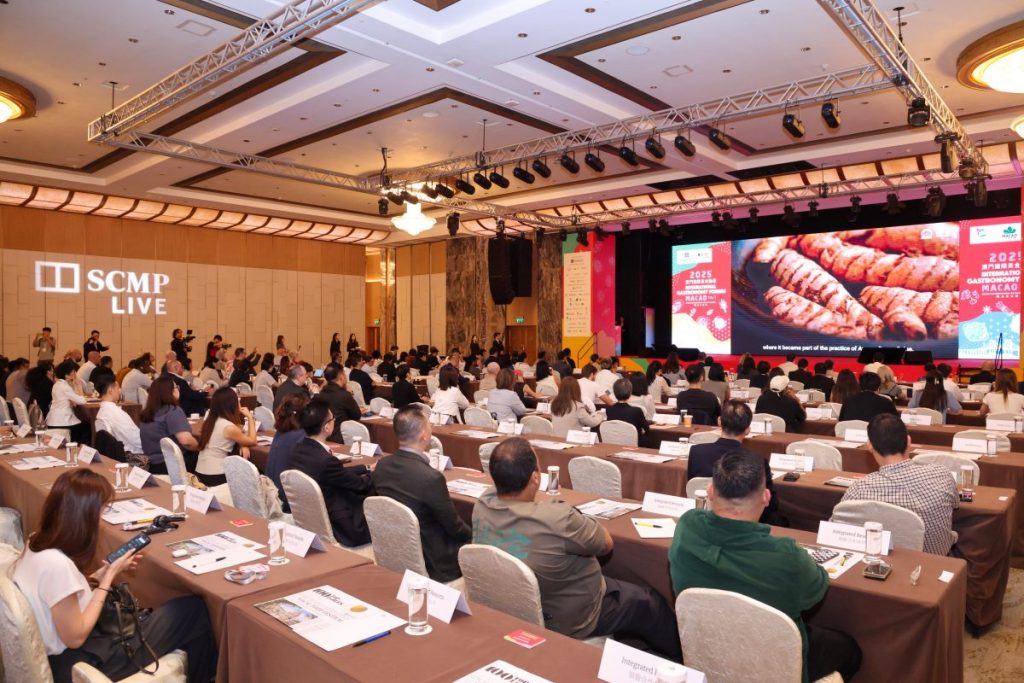
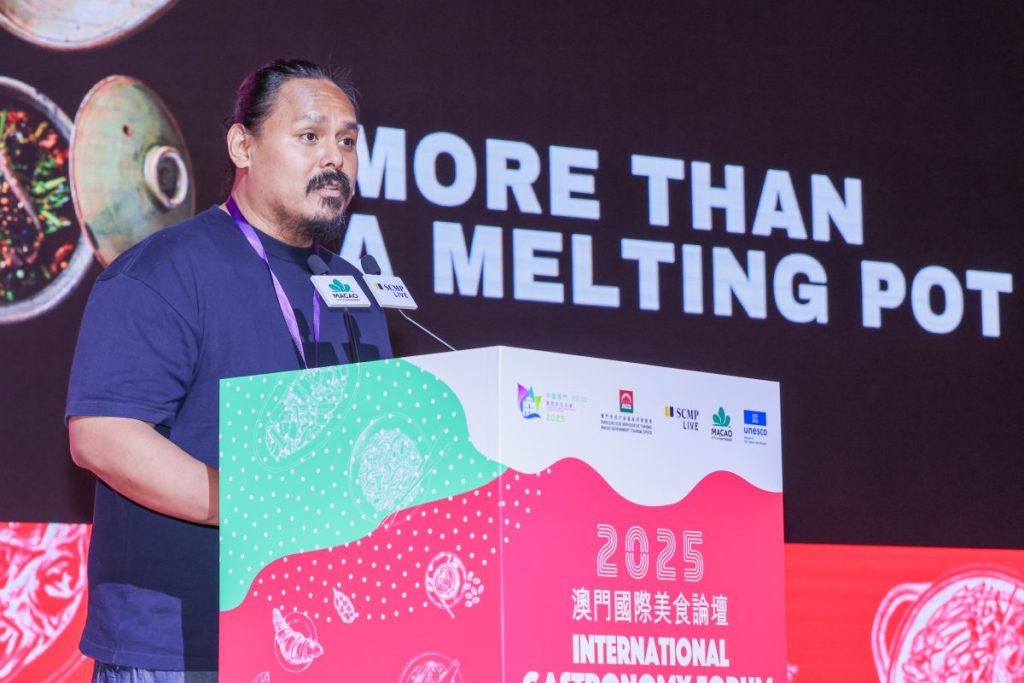
International Gastronomy Forum, Macao
At the International Gastronomy Forum, Macao, under the theme “Spices of Life: Macau’s Culinary Connections,” award-winning chefs, business leaders, and others delivered keynote speeches and participated in panel discussions. The forum featured in-depth dialogue on the important role that “spices” and “herbs” play in cuisines around the world.
In addition, 15 UNESCO Creative Cities of Gastronomy presented case studies on their initiatives, and the regular meeting of the UNESCO Creative Cities of Gastronomy was held concurrently in a hybrid format, both in person and online.


City of Gastronomy Showcase
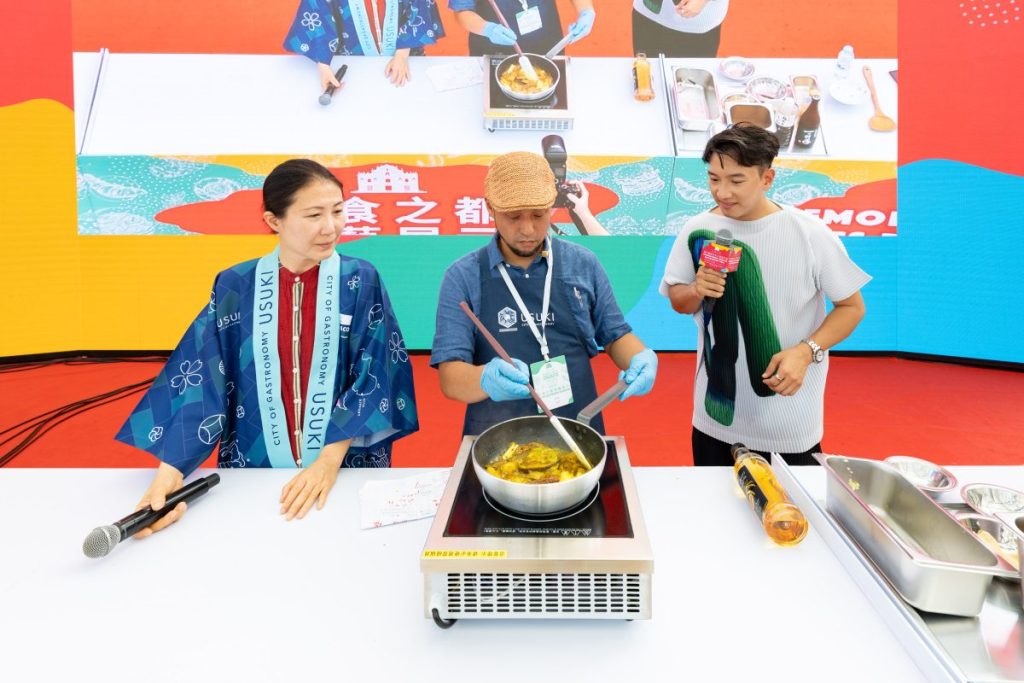
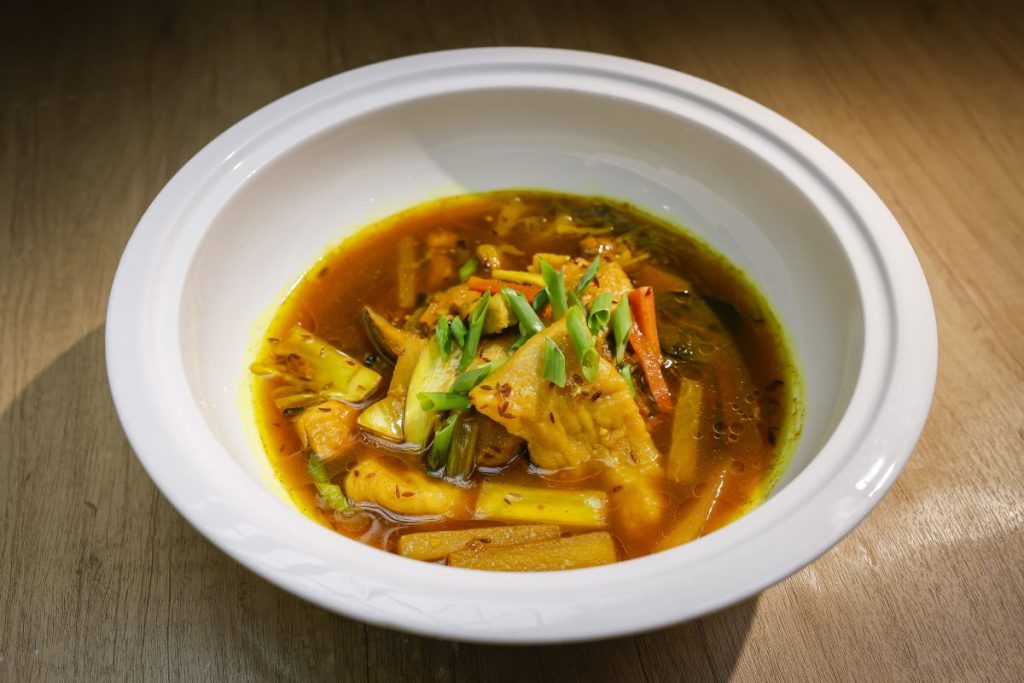
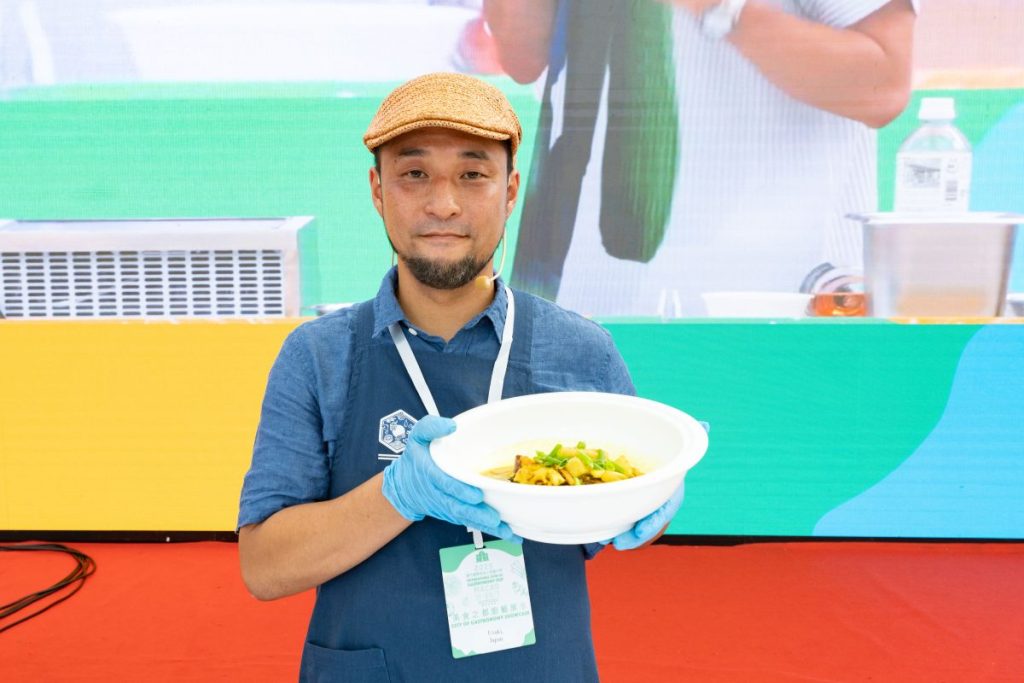
★ Usuki City presented “Dango-jiru” (dumpling miso soup)
Representing Usuki’s chefs, Mr. Yoshihide Tatara of “Shunsaidokoro Sekinoya” participated together with interpreter Ms. Ran Kaneumi. In line with the event theme of “spices” and “herbs,” they had planned to give cooking demonstrations of two dishes: “Dango-jiru,” a dumpling soup enhanced with curry flavor using a blend of 14 spices, and “Koneri,” to which garlic, rosemary, and bay leaves were added. However, due to the impact of a typhoon, the second dish was removed from the program, and only “Dango-jiru” was demonstrated.
This time, we were able to bring local Usuki flour, seasonings, and dried foods to the venue,
which allowed us to faithfully reproduce the taste of Usuki and share the appeal of Usuki’s gastronomy. Tasting was offered after the demonstration, and it was very well received, including comments such as “The hand-kneaded dumplings were delicious.”
※“Koneri” is a traditional local dish made by stir-frying summer eggplant and bitter gourd, adding wheat flour dissolved in water and stirring until thickened, then seasoning with dashi stock and miso.
International Gastronomy Promenade
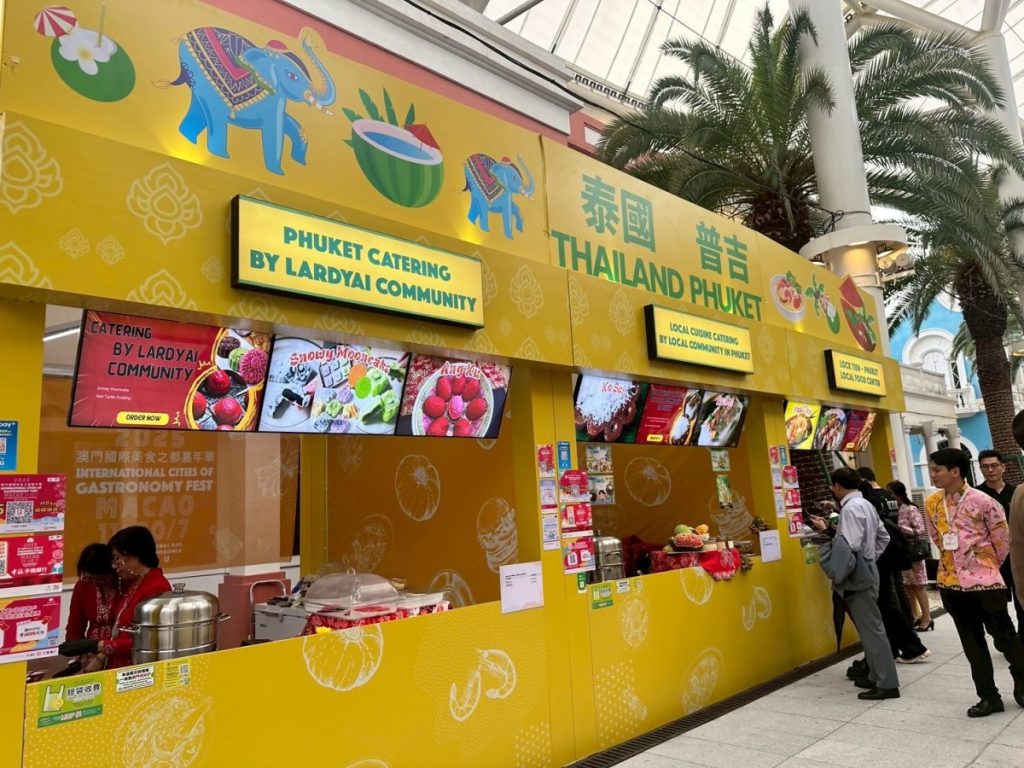
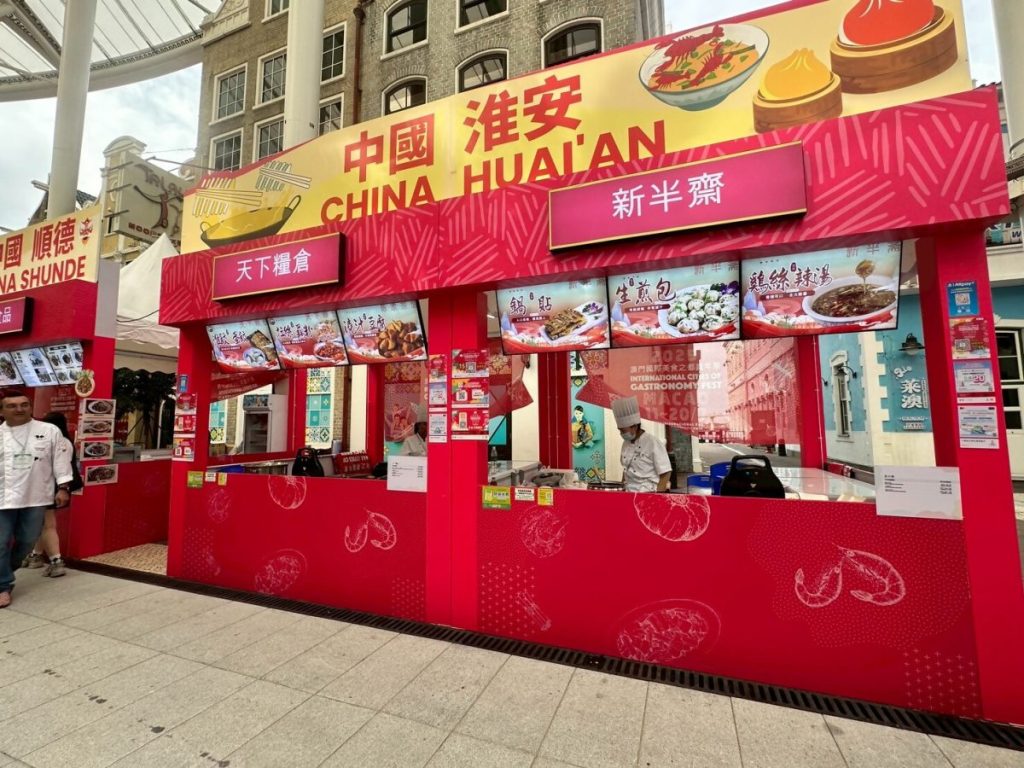
During the festival period, 15 UNESCO Creative Cities of Gastronomy operated booths, and a total of 105 food stalls lined the venue. A wide variety of attractive local dishes were sold, and visitors were able to fully enjoy the gastronomy of each city.
Side Event
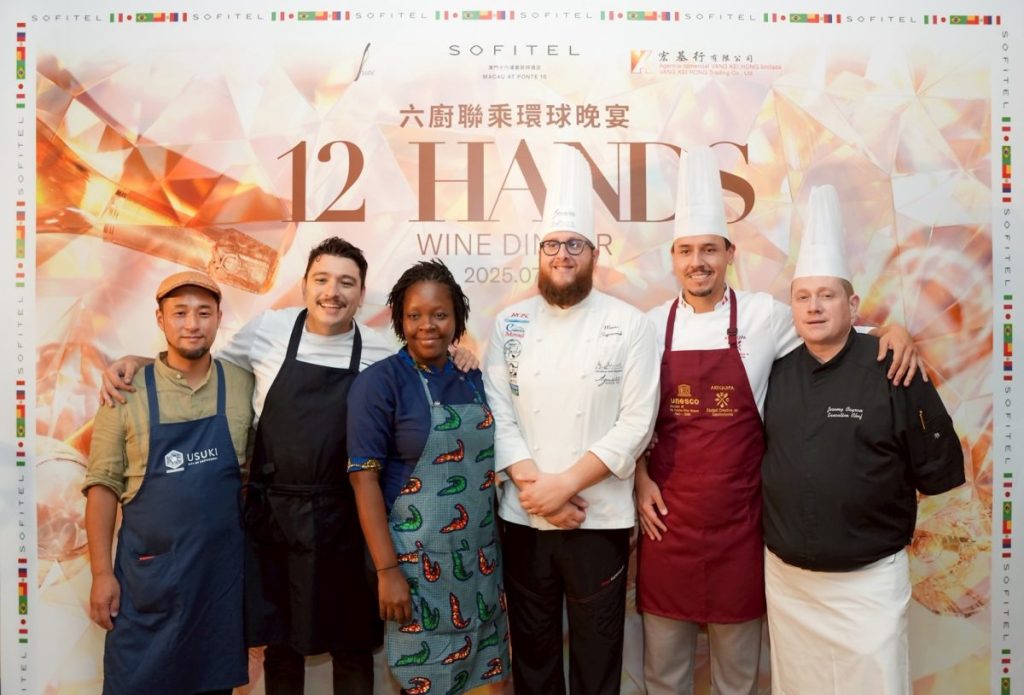
★ 12HANDS ~ WINE DINNER ~
As a side event, a one-night-only dinner titled “12HANDS ~ WINE DINNER ~” was held, featuring six chefs from six UNESCO Creative Cities of Gastronomy (Japan, France, Benin, Brazil, Peru, and Italy). Mr. Tatara participated from Usuki City.
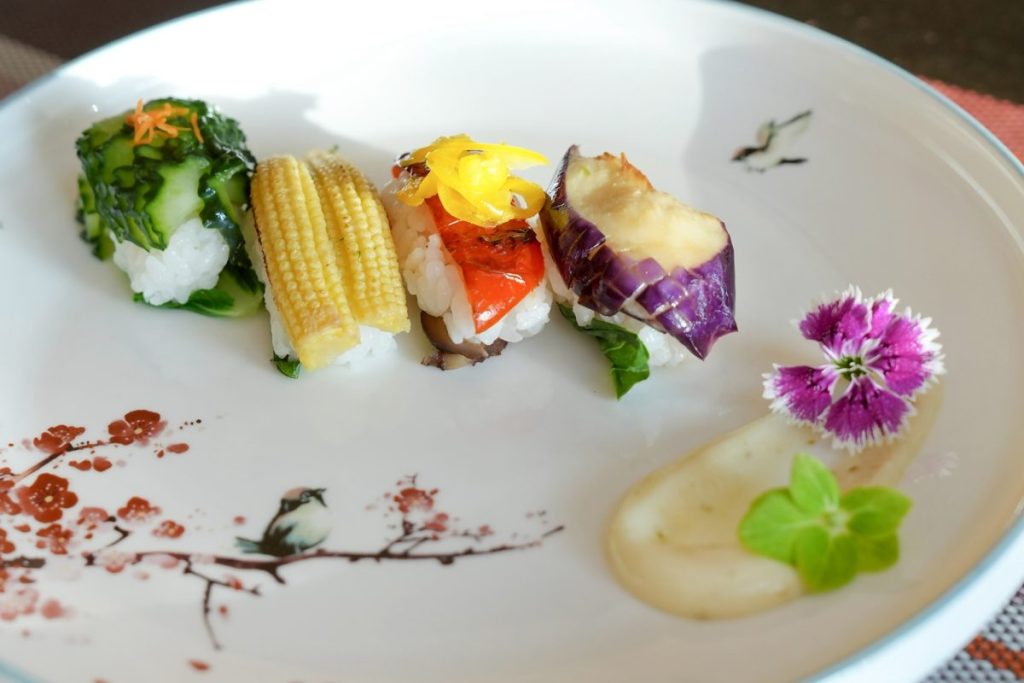
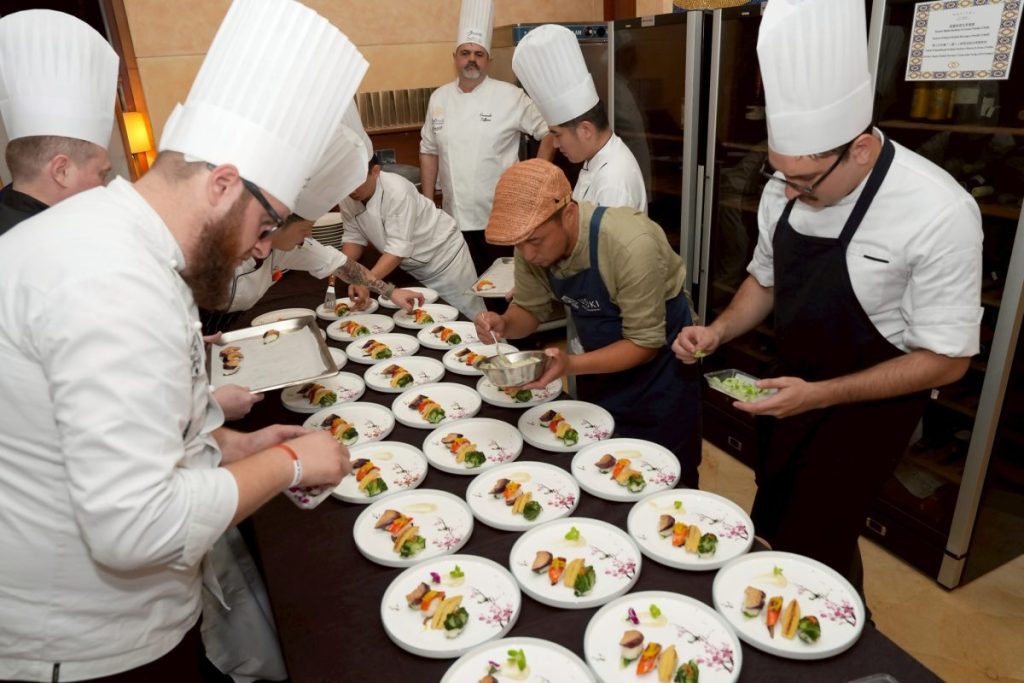
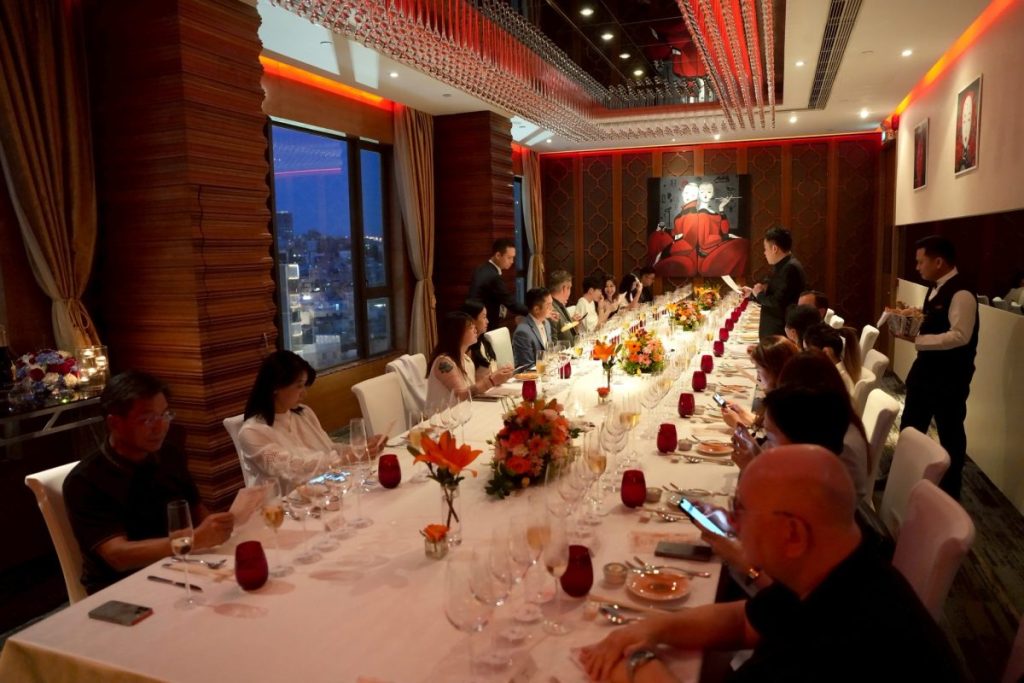
The event was hosted by the renowned local hotel “Sofitel Macau at Ponte 16” and offered a pairing experience in which a local sommelier selected wines to match the dishes from each city. Twenty-seven guests attended, and Usuki City served “Chadai-zushi,” a dish of local vegetables seasoned with vinegar made from Usuki-grown kabosu citrus and served with a house-made sauce. The dish was extremely well received by both guests and fellow chefs, allowing us to fully convey the appeal of Usuki’s traditional cuisine. For the final course, all six chefs collaborated on plating, which also helped deepen exchanges among them.
Reflections on the Event
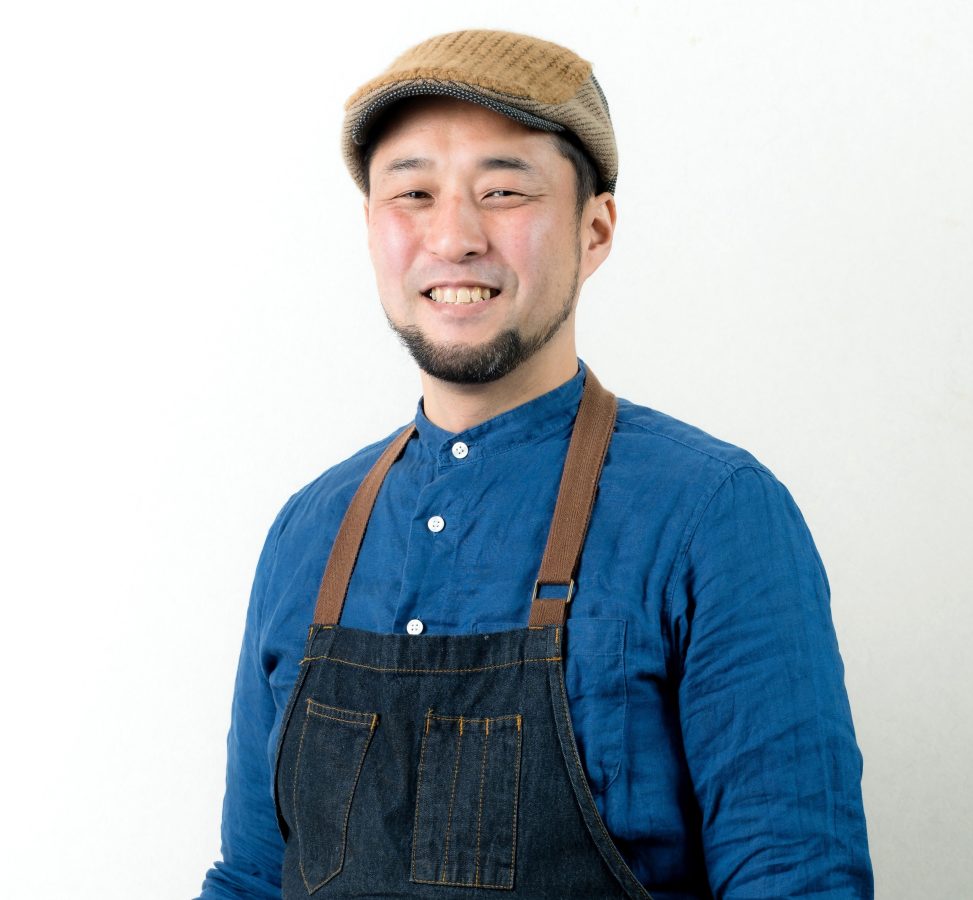
It was somewhat challenging to incorporate “herbs” and “spices” into Usuki’s traditional dishes, but making creative adjustments to highlight the ingredients’ characteristics and turn them into innovative dishes was a very valuable experience. At 12HANDS, I was once again reminded of how globally recognized sushi is. “Chadai-zushi” was highly praised by chefs
from other countries as well, and I felt strongly that it was a local dish Usuki can be proud of—one that offers great satisfaction even though it uses only vegetables.
In communicating with people from other countries on this occasion, I learned that even when words do not fully come across, much can still be conveyed through food. From now on, when overseas customers visit our restaurant in Usuki, I hope to share the charm of Usuki’s gastronomy through cuisine and work to promote it not only within Japan but also to audiences abroad.